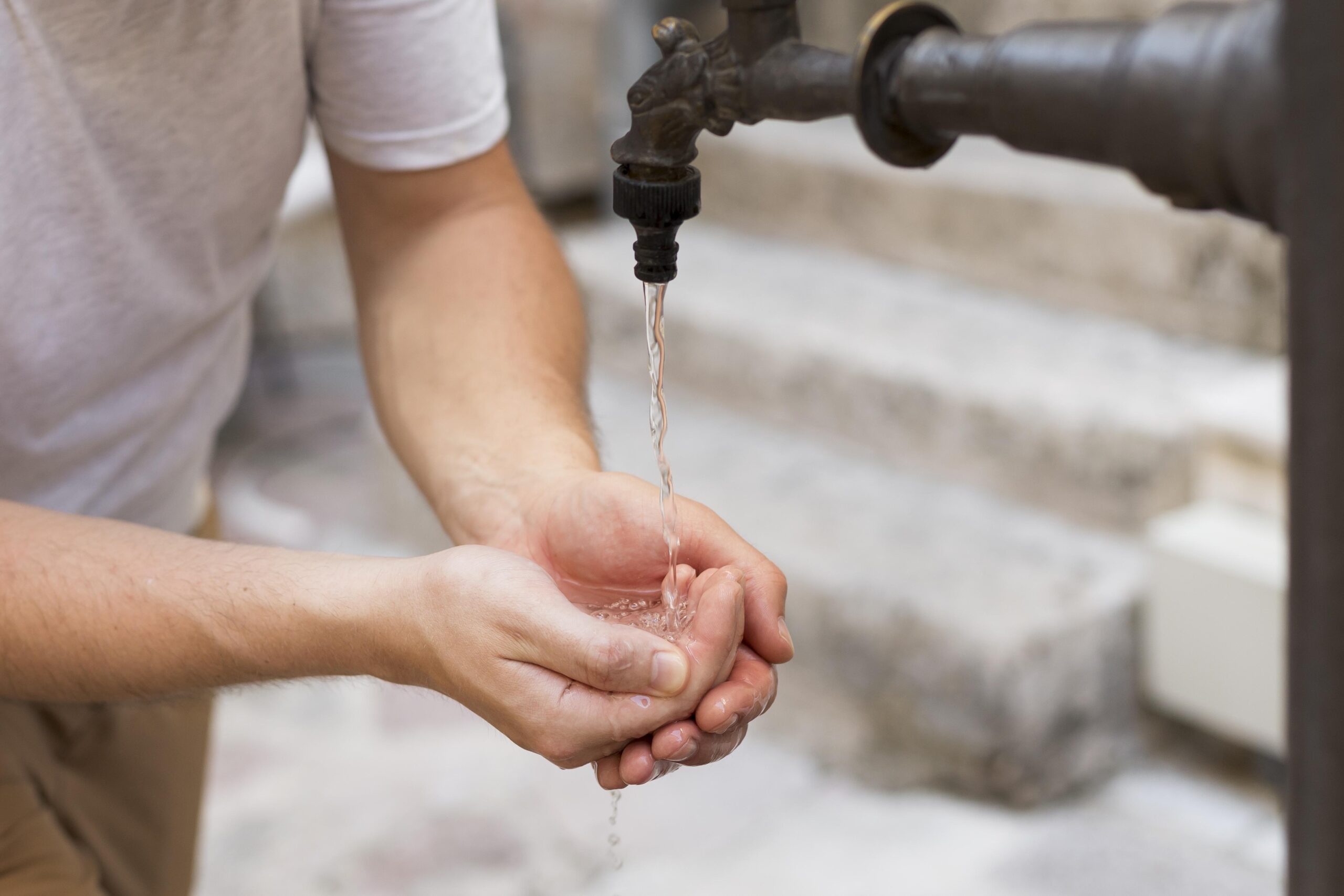
Islam provides ease for travelers so that worship can continue without hardship. The rules of wudu (ablution) and tayammum (dry ablution) are examples of this mercy.
1️⃣ Wudu During Travel
If water is available during travel, performing wudu is obligatory just like in normal conditions.
However, wudu may become difficult when:
- Water is very limited
- The traveler needs to save water for drinking
- Water is far away or dangerous to access
- Water is extremely cold and harmful to use
In these cases, Islam allows tayammum as a substitute.
The method of wudu remains the same:
- Wash the face
- Wash arms up to elbows
- Wipe the head
- Wash the feet
If water becomes available later, performing wudu is preferred before prayer.
2️⃣ Tayammum During Travel
Tayammum replaces wudu or ghusl when water is not available or harmful to use.
How to perform Tayammum:
- Make intention for purification
- Strike both hands lightly on clean soil, sand, or stone
- Wipe the face
- Strike hands again on earth
- Wipe both arms up to elbows
This tayammum becomes a complete substitute for wudu and ghusl.
3️⃣ When a Traveler Can Do Tayammum
Tayammum is allowed in these situations:
- No water available
- Water is needed for drinking
- Reaching water is risky or difficult
- Severe illness that makes water harmful
- Extreme cold weather causing harm
Islam gives flexibility and ease in all these conditions.
4️⃣ Prayer Rulings After Wudu or Tayammum
- Tayammum becomes invalid if water is found later
- Prayer performed with valid tayammum does not need to be repeated
- If water is found before prayer, wudu becomes necessary
- If water is not available at prayer time, tayammum is enough